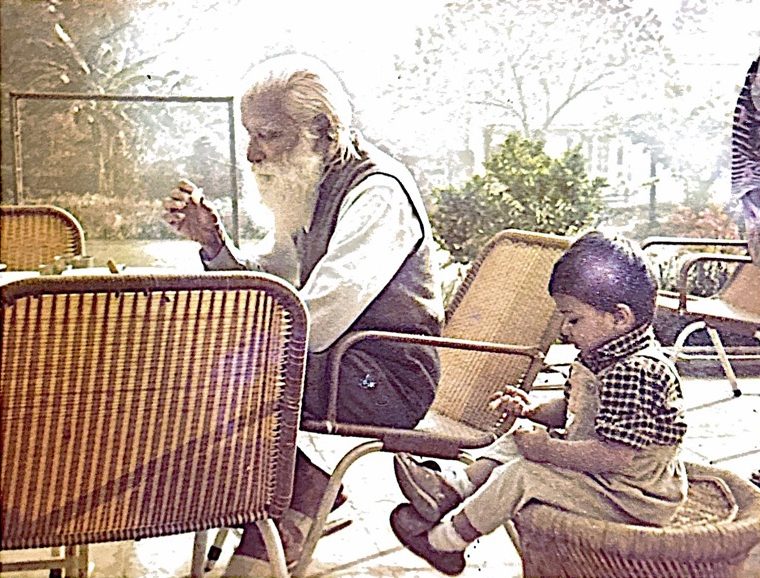
The story of RSS expansion in Delhi is not only a story of shakhas, training camps and ideological mobilisation. It is equally a story of how the Delhi business elite was quietly woven into a new Hindu nationalist institutional network long before electoral politics entered the foreground. Lala Hansraj Gupta stands at the centre of this transition.
Babuji was not merely a Swayamsevak. He was a respected Delhi industrialist, a philanthropist known for endowments in education and health, and later twice Mayor of Delhi. Precisely because he was rooted in public legitimacy and philanthropy, the RSS identified him as the ideal bridge between organisational ideology and social respectability.
In 1945, Lala Hansraj Gupta was invited to a shakha and then requested to preside over the RSS Raksha Bandhan programme- a symbolic entry point into the RSS public sphere of Delhi. In 1946, at an ITC in Vrindavan, he met Shri. Golwalkar, and this meeting changed trajectory. By 1947 he became Delhi’s Prant Sanghchalak. In 1948, he took charge as Chairman of Bharat Prakashan- the publisher of “The Organiser” and later “The Motherland”- which quietly became the most powerful narrative mouthpieces of the Hindu Right’s ecosystem.
For RSS to have wider influence over Delhi, it required legitimacy in civic institutions, philanthropy, and the press- spheres that shaped minds more permanently than rallies could. Babuji’s association also plugged the RSS directly into Delhi’s Arya Samaj and DAV movements, linking economic capital with ideological capital.
What made his role distinct was his ability to bridge two seemingly separate worlds- the moral vocabulary of public service and the organisational pragmatism of a movement expanding its presence.
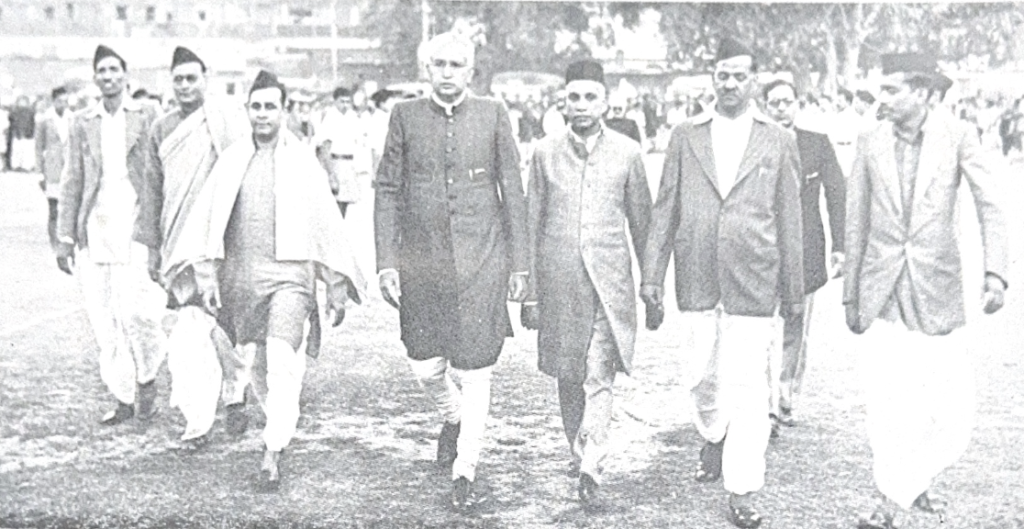
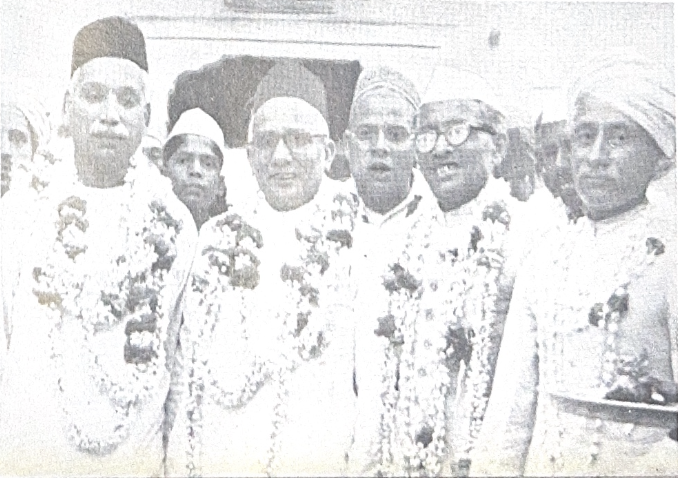
– Manissha